

Food waste is a common challenge in many households, leading to unnecessary expense and environmental impact. Fortunately, there are many straightforward steps you can take to reduce the amount of food you throw away. This guide shares practical ideas that anyone can apply to create a more sustainable kitchen and save money.
Understanding Food Waste at Home
Before diving into solutions, it helps to know where most food waste happens. Common reasons include:
– Buying more than needed
– Improper food storage
– Cooking too much
– Forgetting leftovers
– Confusing expiration dates
By addressing these issues, you’ll not only cut waste but also improve your meal planning and shopping habits.
Smart Shopping to Prevent Waste
Plan Your Meals
Creating a meal plan for the week can work wonders. It helps you buy only what you need and avoid impulse purchases.
– Make a list based on your plan
– Stick to the list at the store
– Include versatile ingredients for multiple meals
Buy in Appropriate Quantities
While bulk buying can save money, it may lead to spoilage if you can’t use the items quickly. Consider:
– Smaller portions of perishable goods
– Frozen options to extend shelf life
Proper Food Storage Techniques
Storing food correctly can greatly extend its freshness.
Use Clear Containers
Transfer leftovers and opened packages into clear, airtight containers. This helps you see what you have and keeps food fresher.
Keep Fruits and Vegetables Separate
Some fruits release ethylene gas which speeds up ripening. Store these away from veggies to prevent premature spoilage.
Understand Fridge Zones
Different areas of your fridge operate at slightly different temperatures. Put items according to their needs:
– Meat and dairy in the coldest sections
– Fruits and vegetables in crisper drawers
Smart Cooking and Portion Control
Cook What You Need
Use measuring tools to prepare the right amount for each meal. This reduces leftovers and waste.
Embrace Batch Cooking
If you like cooking in bulk, portion meals into smaller containers and freeze extras for later. This avoids spoilage and saves time.
Creative Ways to Use Leftovers
Leftovers don’t have to be boring or forgotten in the fridge.
Repurpose Ingredients
Turn yesterday’s dinner into a new dish:
– Use roasted vegetables in soups or salads
– Make sandwiches or wraps with leftover meats
– Transform rice or pasta into stir-fries or casseroles
Share with Others
If you have extra food, consider giving it to neighbors, friends, or local food banks.
Understanding Expiration Dates
Know the Labels
“Best by,” “Use by,” and “Sell by” dates can be confusing. Many foods are safe to consume after these dates if stored properly — use your senses to check for spoilage.
Freeze when Nearing Expiration
If you won’t eat something soon, freezing it preserves quality and safety.
Composting Food Scraps
Even with all efforts, some food scraps are unavoidable.
Composting Basics
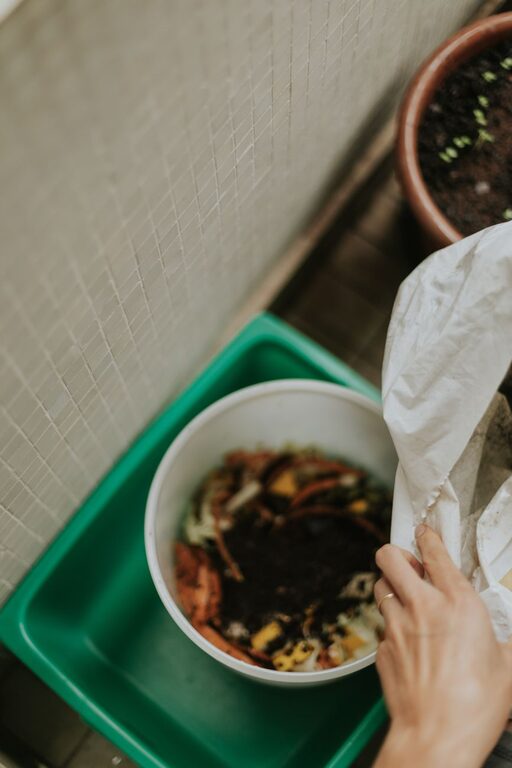
Set up a compost bin for:
– Vegetable peels
– Coffee grounds
– Eggshells
Composting returns nutrients to the soil and reduces landfill waste.
Final Thoughts
Reducing food waste at home is doable with a few intentional habits. Planning, proper storage, mindful cooking, and creative use of leftovers all contribute to less waste, savings, and a positive environmental impact. Start small and build these practices into your routine—you’ll likely see benefits quickly.
By making these changes, you’re not only helping your household but also contributing to a more sustainable future. Happy cooking and saving!