

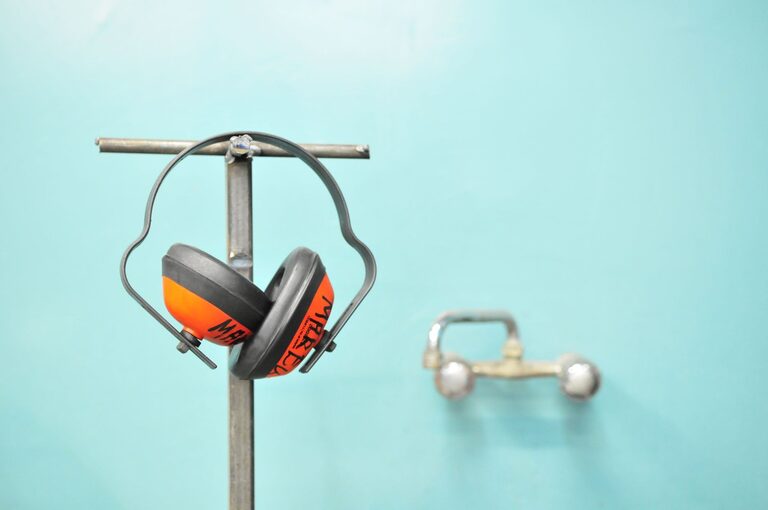
Living in a noisy environment can be stressful and distracting. Whether it’s the buzz of traffic, loud neighbors, or household sounds, finding ways to reduce noise at home can significantly improve your comfort and well-being. Fortunately, you don’t need to invest in expensive renovations to enjoy a quieter space. In this post, we’ll explore simple and practical methods to reduce noise in your home, making it a more peaceful retreat.
Understanding Noise Sources in Your Home
Before diving into solutions, it’s helpful to understand where noise is coming from. Common sources include:
– Outdoor noise: Traffic, construction, barking dogs, street activity
– Neighbors: Sounds through walls or floors in shared buildings
– Household noises: Appliances, HVAC systems, footsteps, voices
– Echo and reverberation: Sound bouncing off hard surfaces inside rooms
Identifying the main sources enables you to choose the right strategies to control noise effectively.
Simple Ways to Reduce Noise Indoors
1. Add Soft Furnishings
Hard surfaces reflect sound and amplify noise. Introducing soft materials helps absorb sound and reduce echoes.
– Use thick curtains or drapes on windows
– Lay down rugs or carpet on floors, especially on hardwood or tile
– Add cushions and upholstered furniture to absorb sound
These additions not only reduce noise but also make your space cozier.
2. Seal Gaps and Cracks
Noisy air and sound waves can pass through small openings around doors, windows, and walls.
– Use weatherstripping tape around doors and window frames
– Fill cracks or gaps with acoustic caulk or regular caulk
– Install door sweeps to block sounds from hallways or noisy rooms
Sealing these gaps helps block external noise and prevents sound leaking between rooms.
3. Use Sound-Blocking Window Treatments
Windows are a common weak point for outside noise.
– Invest in double-pane or laminated glass windows if possible
– Use heavy, soundproof curtains specifically designed to reduce noise
– Consider installing window inserts for an added layer of sound insulation
These options can significantly reduce the amount of outdoor noise coming inside.
4. Rearrange Your Furniture
The placement of furniture can influence how sound travels.
– Position bookshelves filled with books against shared walls to absorb noise
– Place large pieces of furniture like sofas along walls that face noisy areas
– Avoid placing furniture directly across from each other to reduce echo
Simple changes in arrangement can help muffle sound and improve your room’s acoustics.
5. Use White Noise Machines or Fans
Sometimes, completely eliminating noise isn’t possible. Masking unwanted sounds can be effective.
– White noise machines produce consistent ambient sounds that cover disruptive noises
– A fan or air purifier also offers background sound to help drown out distractions
– Mobile apps for white noise or nature sounds can also be helpful
This method is especially useful when trying to sleep or focus in noisy environments.
Improving Noise Control Between Rooms
1. Install Door Seals and Soundproof Doors
Interior doors often allow sound to pass through easily.
– Use weatherstripping and door sweeps to seal gaps around doors
– Replace hollow core doors with solid core doors for better sound insulation
– Add soundproofing blankets or panels to doors if remodeling isn’t an option
2. Use Acoustic Panels or Wall Hangings
Decorative items can also serve as sound absorbers.
– Hang acoustic panels or foam tiles designed to absorb sound on shared walls
– Use large fabric wall hangings or tapestries to reduce reverberations
– Even framed art with thick mats can help soften sound reflection
These solutions blend noise control with aesthetic improvements.
Reducing Noise from Appliances and HVAC Systems
1. Maintain Appliances Regularly
Noisy appliances can often be quieter with simple upkeep.
– Clean or replace filters in HVAC systems and fans
– Tighten loose parts on washing machines or dryers
– Place appliances on vibration-absorbing mats
2. Use Soundproofing Materials Around Appliances
– Place rubber pads under washing machines and refrigerators
– Install insulating foam inside cabinets housing noisy appliances
– Consider soundproof enclosures for loud equipment if space allows
Outdoor Noise Reduction Tips
1. Add Landscaping Elements
Plants and trees can act as natural sound barriers.
– Plant dense shrubs or hedges along property boundaries
– Use tall trees strategically to block road noise
– Incorporate water features like fountains, which produce soothing sounds and mask background noise
2. Install Fences or Barriers
– Solid fences made of wood or vinyl reduce noise transmission
– Outdoor sound barriers, like screens or walls, help block sound waves
Combining landscaping and barriers provides an effective outdoor noise buffer.
Final Thoughts
Reducing noise at home doesn’t have to be complicated or costly. By incorporating soft furnishings, sealing gaps, using sound-absorbing décor, and maintaining appliances, you can create a quieter and more relaxing environment. Experiment with these simple tips and enjoy the calm that comes with a peaceful home.
Remember, every home and noise situation is unique, so try different approaches to find what works best for you. A quieter home is closer than you think!