

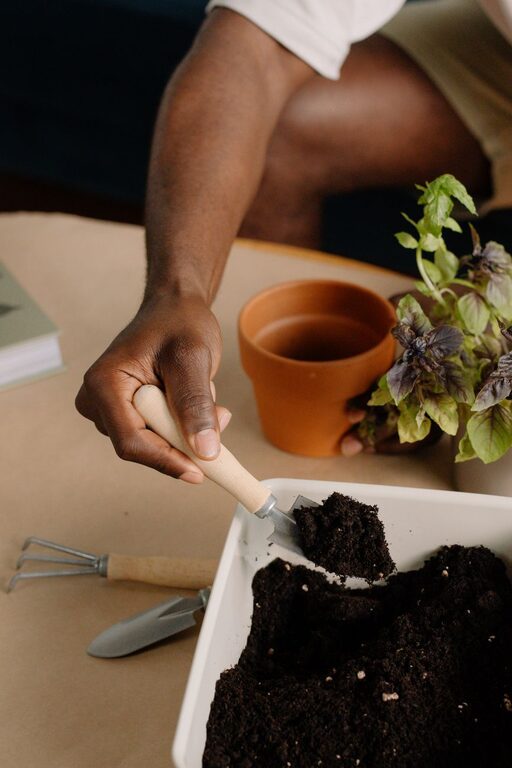
Growing your own herbs indoors is a rewarding and practical way to bring fresh flavors and greenery into your home. Whether you have a sunny windowsill or a small corner of your kitchen, starting a small herb garden indoors is easier than you might think. This guide will walk you through everything you need to know to get started, from choosing the right herbs to caring for them day by day.
Why Grow Herbs Indoors?
Indoor herb gardening offers several benefits:
– Fresh herbs anytime: Cut your own basil, parsley, or mint whenever you need.
– Saves money: No need to buy expensive herb bunches from the store.
– Control over growing conditions: Avoid pesticides and grow organically.
– Adds beauty and scent: Herbs bring greenery and a pleasant aroma to your space.
Choosing the Right Herbs for Your Indoor Garden
When starting out, select herbs that grow well indoors and are easy to care for. Some popular options include:
Easy-to-Grow Herbs
– Basil: Great for cooking, especially in Italian dishes.
– Mint: Aromatic and perfect for teas or garnishes.
– Parsley: Versatile and nutrient-rich.
– Chives: Mild onion flavor, easy to grow in small pots.
– Thyme: Hardy and fragrant, good for many recipes.
Avoid herbs that need a lot of space or direct outdoor conditions, like rosemary or dill, unless you have ideal indoor lighting.
What You’ll Need to Start Your Herb Garden
Gather these basics to give your herbs a good start:
– Containers: Small pots with drainage holes; you can use individual pots or a larger planter.
– Potting soil: Use a light, well-draining potting mix designed for indoor plants.
– Seeds or seedlings: Seeds are economical, but seedlings (young plants) offer a quicker start.
– Watering can: Choose one with a narrow spout for gentle watering.
– Light source: A sunny window or grow lights if natural light is limited.
Setting Up Your Indoor Herb Garden
Step 1: Select a Location
Herbs need plenty of light — about 6 to 8 hours a day. A south-facing window is ideal. If natural light is insufficient, consider LED grow lights to supplement.
Step 2: Prepare the Containers
Fill your pots with potting soil, leaving about half an inch from the top to avoid water overflow. Make sure pots have drainage holes to prevent root rot.
Step 3: Plant the Seeds or Seedlings
– For seeds: Plant according to the packet instructions, usually about twice as deep as the seed’s size.
– For seedlings: Gently loosen their roots and plant them at the same depth they were in their nursery pots.
Step 4: Water Carefully
Water the soil until it is moist but not soggy. Overwatering is a common mistake; allow the soil’s surface to dry out slightly between waterings.
Step 5: Maintain and Monitor
Keep an eye on light levels, soil moisture, and the general health of your herbs. Rotate pots occasionally to encourage even growth.
Caring for Your Indoor Herb Garden
Watering Tips
– Herbs generally prefer slightly moist soil.
– Water when the top inch of soil feels dry to the touch.
– Avoid letting water sit in saucers under pots.
Fertilizing
– Feed your herbs every 4 to 6 weeks with a diluted balanced liquid fertilizer.
– Avoid over-fertilizing, which can reduce flavor.
Pruning and Harvesting
– Regularly pinch off leaves to encourage bushier growth.
– Harvest herbs in the morning when oils are most concentrated for best flavor.
– Avoid harvesting more than one-third of the plant at a time.
Troubleshooting Common Issues
Yellow Leaves
– Usually a sign of overwatering or poor drainage.
Leggy Plants
– Often caused by insufficient light; move herbs closer to a window or add grow lights.
Pest Problems
– Watch for aphids or spider mites.
– Wipe leaves with a damp cloth or use insecticidal soap if needed.
Creative Ideas for Your Herb Garden
– Use unique containers like teacups or mason jars with drainage holes.
– Combine different herbs in one larger pot for an attractive mixed garden.
– Label your plants with small tags to keep track.
– Place your herb garden near your cooking area for convenience.
Final Thoughts
Starting a small herb garden indoors is a satisfying hobby that brings freshness and flavor straight to your kitchen. With minimal supplies and a bit of care, you can enjoy homegrown herbs all year round. Whether you’re a seasoned gardener or a complete beginner, these tips will help you nurture your indoor herb garden successfully.
Happy gardening!